
Cryogenic and Low-Temperature Valve Selection: -50°C to -196°C
Low-temperature valve enquiries usually arrive with one number: the design temperature. Everything else follows from it. This guide sets out what changes between -50°C and -196°C, and what to specify so that the offer matches the service.
The three bands that matter
| Service band | Typical application | What drives the design |
|---|---|---|
| -29°C to -50°C | Cold climates, LPG and refrigeration | Impact-tested carbon steel (LCC/LF2), low-temperature trim |
| -50°C to -101°C | Ethylene, CO2 and some LNG send-out lines | 3.5% nickel steel or stainless, extended bonnet, certified impact testing |
| -101°C to -196°C | LNG, liquid nitrogen, liquid hydrogen at the coldest end | Austenitic stainless, metal-seated designs, cryogenic testing to BS 6364 |
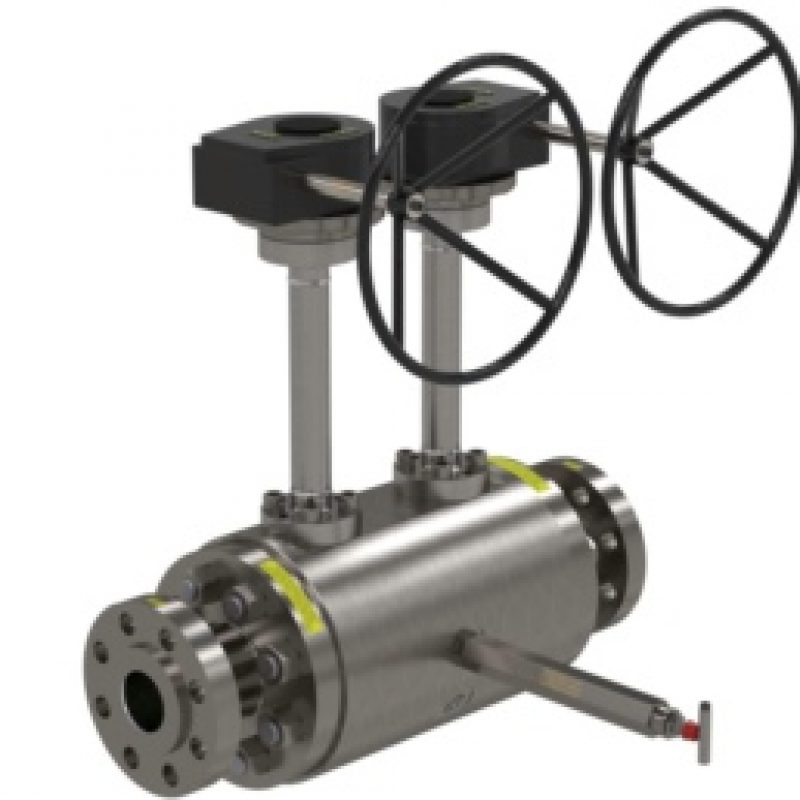
Our Twinsafe low-temperature range is rated from -196°C to +120°C in ASME Class 150 to 900 to API 6D, in both soft-seated and metal-seated versions. The high-temperature counterpart (up to +500°C) uses the same body platform, which matters if a project needs one spare-parts strategy across hot and cold service.
Soft seat or metal seat?
PTFE and PCTFE seats become unreliable well before -100°C; PEEK extends further but still has a floor. Below that, metal-seated designs take over — with the trade-off that sealing depends on lapping quality and surface finish rather than elastomer deformation. Ask for:
- The seat and seal material with its qualified temperature range, per component, not just for the valve as a whole.
- Whether the design has been type-tested at the cryogenic temperature, and to which standard.
- The leakage class accepted at that temperature — a bubble-tight claim at ambient is not a statement about -196°C.
Extension bonnets and packing
In cryogenic service the bonnet is what keeps the packing box out of the cold zone. Specify the extension length and whether the valve is insulated; if the client insulates to a fixed thickness, the bonnet length must be agreed before fabrication. Graphite packing is usual; for hydrogen and helium service, ask about the leak rate and whether the packing has been tested for the relevant standard.
The tests that actually matter
- Impact testing of body and bonnet materials at the design temperature, with certificates.
- Cryogenic proof and seat test to BS 6364 where specified — the valve is tested cold, not extrapolated from ambient results.
- Dimensional check at ambient after the cold test: some designs show stem and body movement that changes the installed face-to-face.
- Cleaning and drying — moisture in a cryogenic line becomes ice. Degreasing and nitrogen drying should be stated in the offer.
What to send in the enquiry
Fluid, design and operating temperature, pressure class, size and connection, insulation thickness if fixed, testing standard, and whether the valve is for LNG, industrial gas or hydrogen service. With those six, the offer can state material, seat type, bonnet length and test regime line by line.
Send it to websale@sawye.com or use the inquiry form. More on our range: DBB valves · hydrogen & carbon capture · what to send in a valve enquiry