
Hydrogen Blending and CCUS Projects: Which Valve Certifications Actually Matter
Hydrogen and carbon capture projects generate a lot of paperwork, and not all of it means the same thing. When a specification says "hydrogen ready", the useful question is: certified by whom, to what, and for what percentage?
1. The certification that carries weight
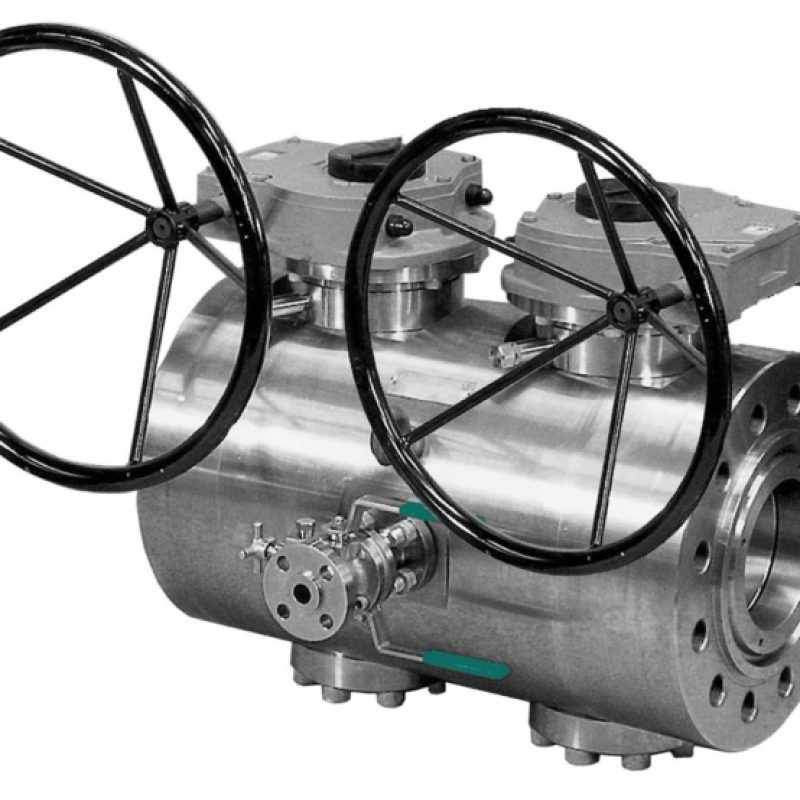
For hydrogen service, the reference point is type testing to recognised protocols for the pressure range in question. Oliver Hydcovalves' ball valves hold TÜV SÜD certification for 99.9% hydrogen service — a third-party statement about the valve, not a manufacturer's own claim. Ask any supplier for:
- Who issued the certificate, and the certificate number.
- The hydrogen purity and pressure range covered.
- Which valve sizes and designs are inside the scope — certification rarely covers an entire catalogue.
2. Standards that get quoted loosely
| Standard / term | What it actually covers |
|---|---|
| ISO 19880-3 | Valves for hydrogen fuelling stations — a specific application, not general process service |
| API 6D / API 6A | Valve design and testing fundamentals; says nothing about hydrogen embrittlement |
| ISO 15848 | Fugitive emission classes — matters for H2 because the molecule is small |
| "Hydrogen ready" | Marketing phrase unless tied to a certificate and a test report |
3. Materials: where hydrogen changes the answer
Hydrogen embrittlement affects high-strength steels most, so hardness control and material selection move together. Typical choices for hydrogen and blending service are 316 stainless, low-alloy steels held to controlled hardness, and for severe duty alloys such as Inconel 625. For the soft parts, the seal material and its hydrogen permeation behaviour matter as much as the metal.
Our Twinsafe hydrogen valves and the hydrogen & carbon capture range are quoted with the material and test basis stated line by line, so the offer can be checked against the datasheet.
4. CO2 and CCUS: a different problem
Dense-phase and supercritical CO2 brings its own issues: decompression cooling across the seat, dryness (dry CO2 is far less corrosive than wet CO2), and the risk of hydrate or ice formation at vents and drains. For CCUS duty, specify:
- Whether the stream is dry or water-saturated, and the water content limit.
- Operating and design pressure and temperature, including decompression scenarios.
- Venting and drain philosophy — small-bore vents are where CO2 systems block.
- Material selection with corrosion allowance stated, not assumed.
5. Blending projects: the questions worth asking early
Blending hydrogen into existing natural gas networks usually starts as a pilot at a few percent and grows. That trajectory matters for procurement: a valve sized and certified for 5% may need replacing at 20%. Ask the client for the design blend percentage and the planned end point, and specify for the end point if the valve is not easily replaceable. Existing carbon steel components, meters and seals are the usual first audit items.
6. A practical document checklist
- Certificate of conformity and the TÜV (or equivalent) test certificate with scope and pressure range
- Material certificates with hardness values where hydrogen embrittlement is a risk
- Fugitive emission test report to the specified ISO 15848 class
- Fire-safe certificate (API 607 / ISO 10497) where the project requires it
- Pressure and seat test reports at the specified conditions
Send the datasheet, blend percentage or CO2 conditions to websale@sawye.com and we will quote against them. Related reading: hydrogen valve selection guide · traditional vs hydrogen-specific valves · materials and NACE for sour service